
Grow in faith, build lasting friendships, and leave your mark in the Bob Marshall Wilderness on this unforgettable two-week journey.
Trail Camp A: Coed
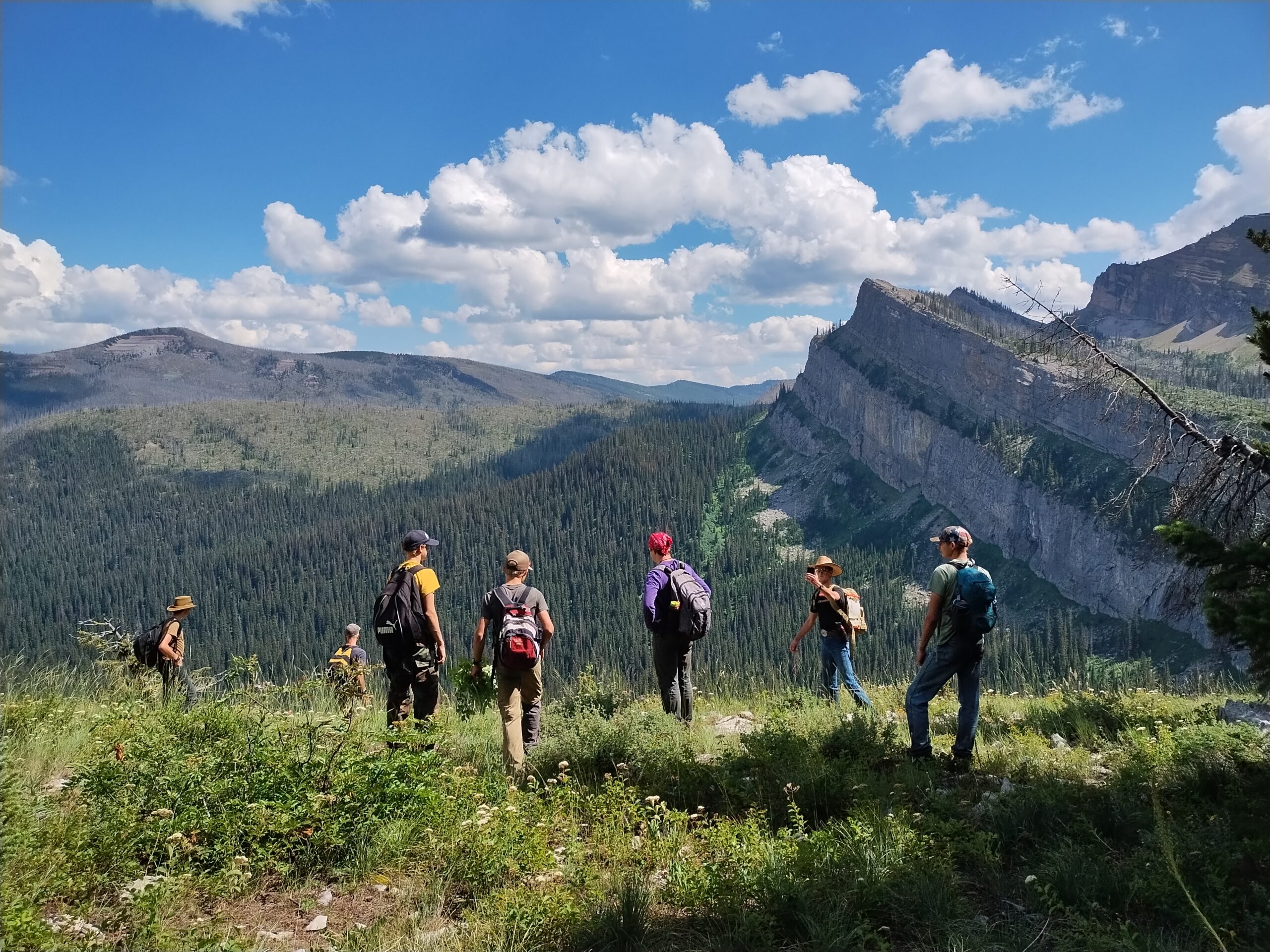
Trail Camp is Big Sky Bible Camp’s most legendary wilderness experience. Over two weeks, campers backpack deep into the Bob Marshall Wilderness for 12 nights of trail work, worship, and discipleship, forming a community of faith, laughter, and lasting impact.
Registration Closed
Camp Dates
Date TBD
Ages
14 – 20
Cost
$260
About this camp
Trail Camp is the crown jewel of Big Sky Bible Camp’s Wilderness Program—a legendary two‑week experience where adventure, service, and spiritual growth come together in one of Montana’s wildest places.
Over the course of 14 unforgettable nights, crew members backpack into a remote basecamp deep within the Bob Marshall Wilderness. This rugged, awe‑inspiring setting becomes home as the Trail Crew settles in for 12 nights of camping, working, worshipping, and growing together.
Drawing upon over three decades of partnership with Spotted Bear Ranger District, each day, campers take part in meaningful, hands‑on trail construction and maintenance on one of the trails in the vast 1.5-million-acre Bob Marshall Wilderness Complex. Whether they’re digging tread, clipping brush, moving rocks, or clearing downed trees, campers discover the satisfaction that comes from using old school hand tools while serving others and caring for public lands. The work is real, the impact is lasting, and the sense of accomplishment is huge.
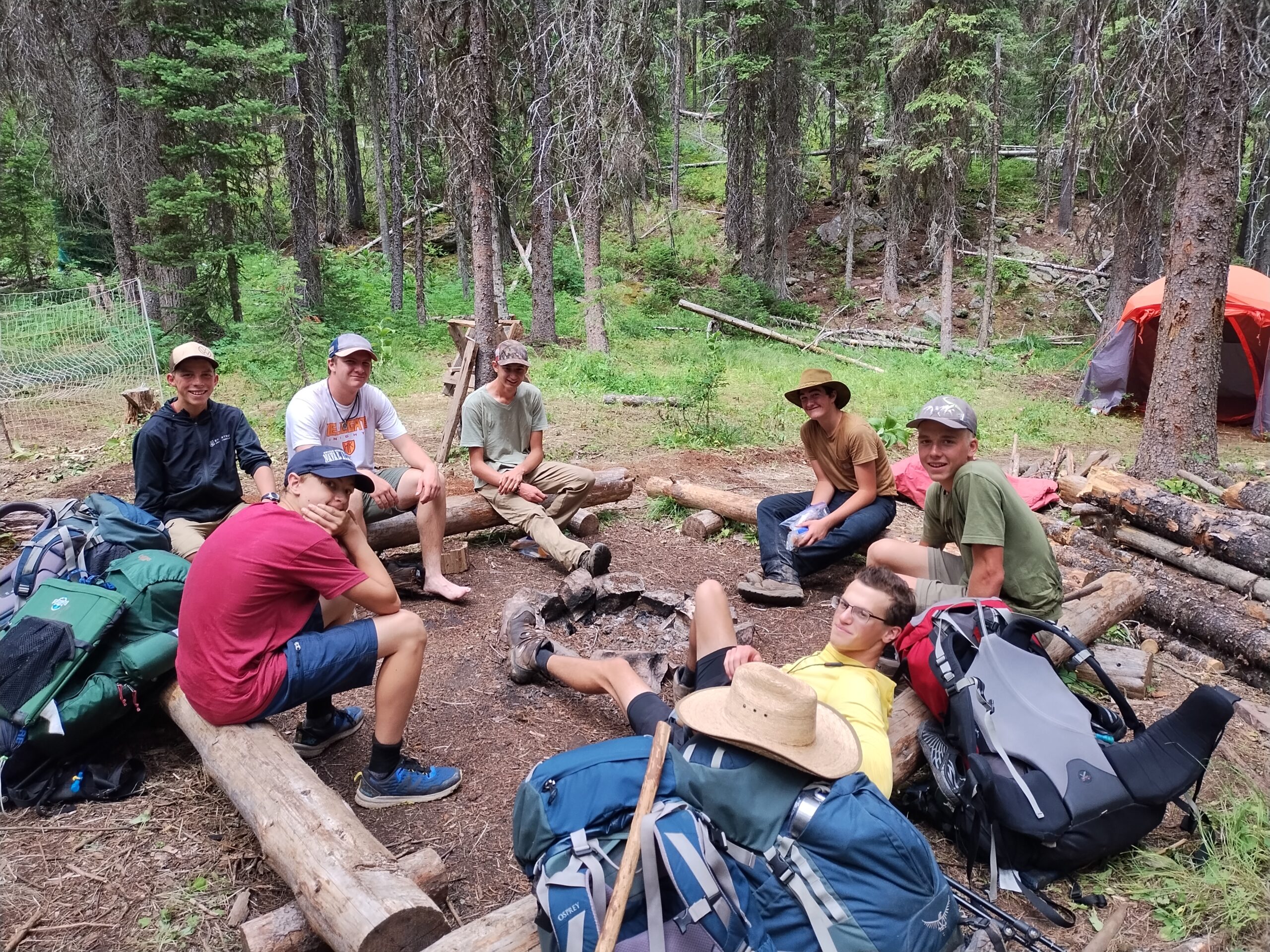
But Trail Camp is far more than trail tools and hard work. It is an extended, intentional discipleship experience where faith is lived out in community. Mornings and evenings are filled with rich Bible study, worship under the open sky, and unhurried time alone with God. In the quiet of the wilderness—without distraction—campers often experience a powerful closeness to God.
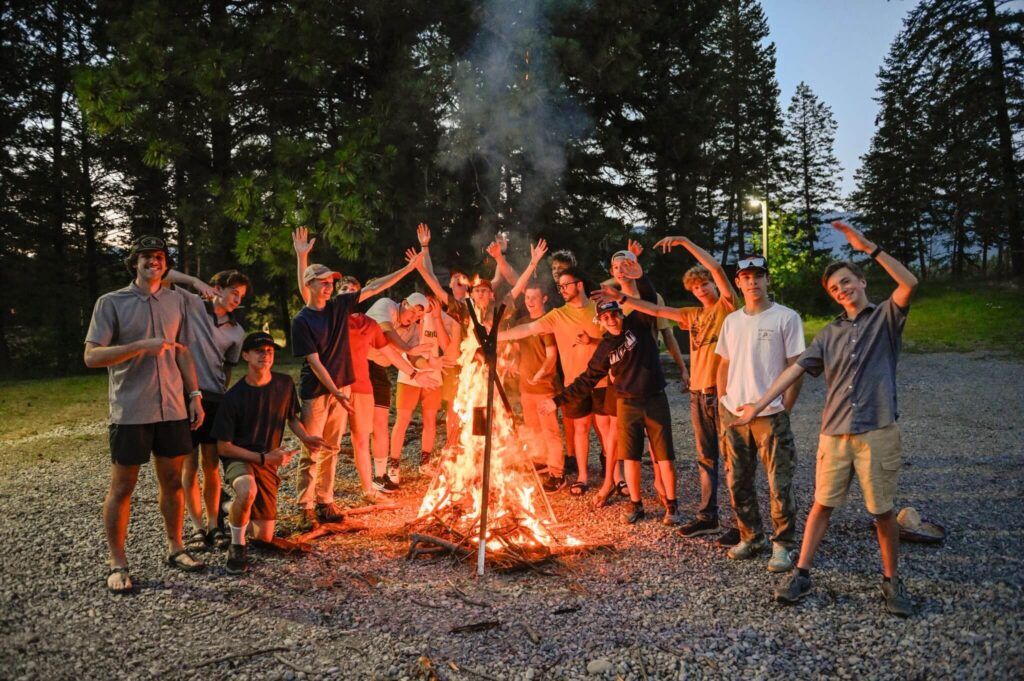
Along the way, the group forms a tight‑knit community built on shared effort, laughter, and challenge. Trail Camp is full of beloved traditions, memorable campfire moments, inside jokes, and experiences that bonds crew members for years to come. Many campers describe these two weeks as life‑changing—one of the most impactful times of their teenage years. Parents frequently share that Trail Camp helped their son or daughter grow in maturity, responsibility, and spiritual depth in ways they had never seen before.
More than just a camping trip, Trail Camp is a transformative journey—one that shapes character, strengthens faith, and leaves crew members with stories and memories that last a lifetime.
The Physical Demands
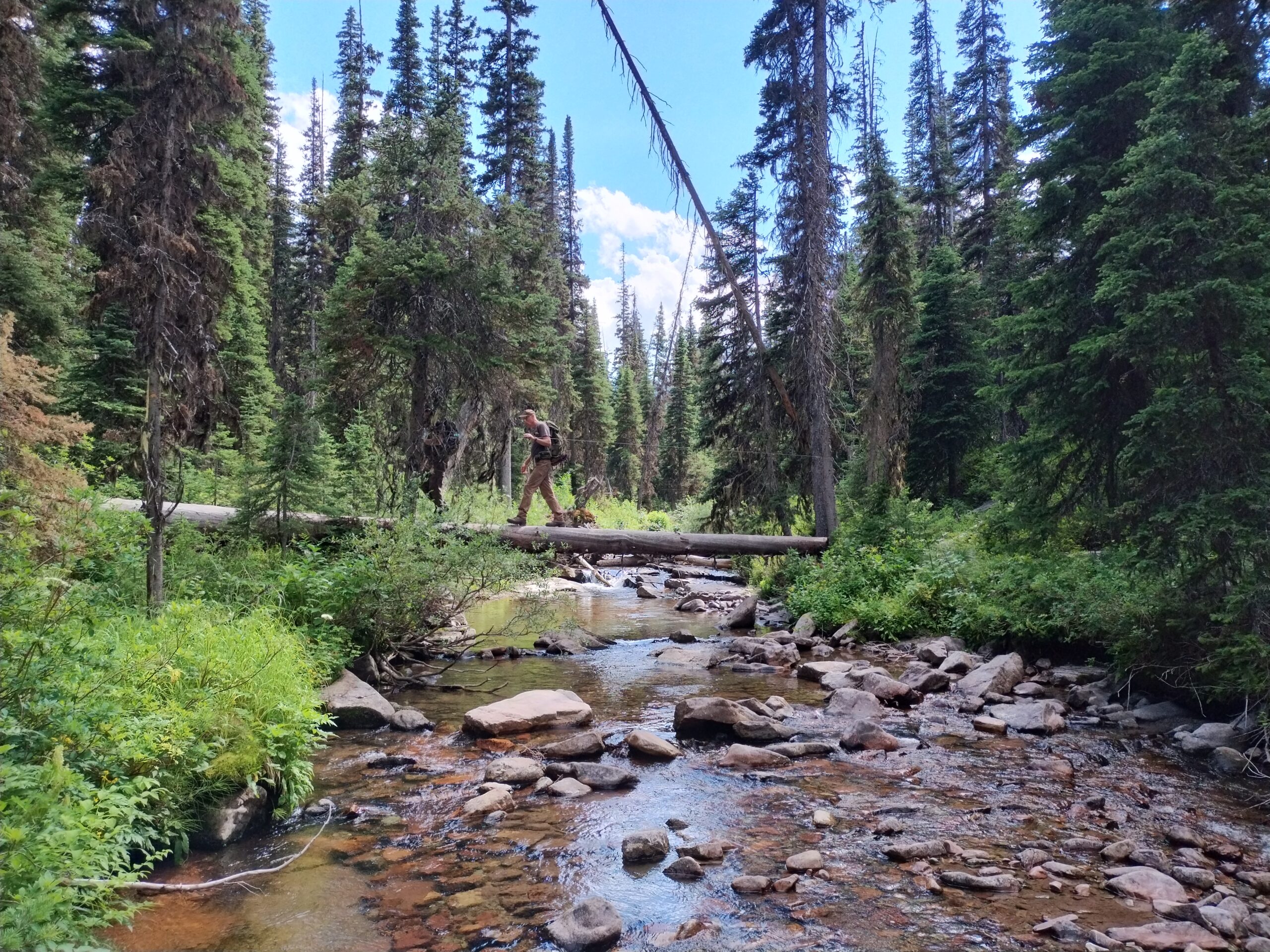
The Wilderness Program is intentionally designed to be both physically and spiritually engaging, with extended time spent outdoors. Campers should be prepared for hiking with a backpack, full days of movement and exploration, facing new challenges, and being away from many of the usual comforts and conveniences of home. With thoughtful planning, good preparation, and a bit of backcountry creativity, time in the wilderness can be not only manageable, but comfortable, deeply rewarding, and character building.
That said, backcountry travel and camping in remote settings do take effort and determination. Groups move at a reasonable pace, and most trips are designed to accommodate a wide range of ability levels—from beginners to experienced campers.
Discipleship Focused
Faith Lived Out in the Wild: Morning devotions, evening worship, and intentional community make Trail Camp one of the most spiritually rich experiences in Big Sky's entire program — faith isn't an add-on here, it's the foundation.
A Community Like No Other: Trail Camp's traditions, inside jokes, and shared challenges forge the kind of bonds that define friendships for years to come.
Mentorship & Safety
Discipleship Focused Counselors
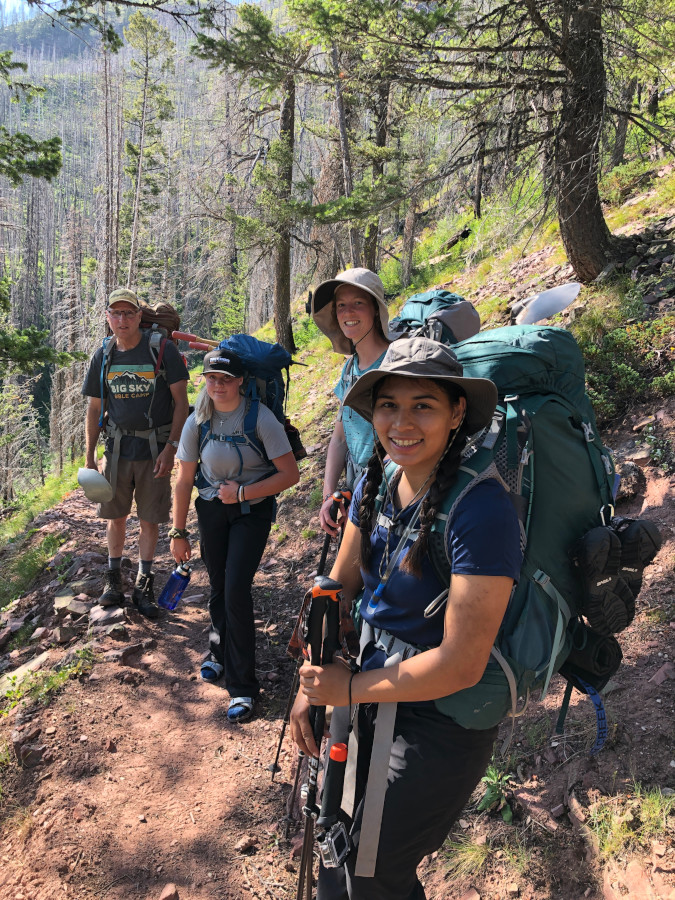
Our counselors are more than activity leaders—they are committed Christian mentors who genuinely care for each camper. Counselors are carefully screened, thoroughly trained, and supported by experienced leadership to help create a safe, encouraging environment where campers are known, supported, and spiritually strengthened.
About Our Staff
Safety – Our #1 Concern
Safety is our highest priority in the Wilderness Program. Our trips are designed with thoughtful planning, careful risk management, and well trained leaders who work hard to create a safe and supportive environment for every camper.
At the same time, spending time in the wilderness carries inherent risks—including changing weather, uneven terrain, and other natural challenges. While these elements are part of what makes outdoor adventure meaningful, we take them seriously and address them with professionalism and preparation.
All Wilderness staff members receive training in areas such as:
Wilderness safety and risk assessment
Emergency response and first aid
Group management and decision making in backcountry environments
Communication protocols for urgent situations
Each trip is equipped with appropriate safety gear and communication devices, and leaders are prepared to mitigate hazards, make informed decisions, and respond effectively in the event of an emergency.
Our goal is to provide campers with a positive, memorable, and responsibly managed wilderness experience.
Safety & Policies
What about food?
Meals are prepared on-site or in the backcountry using camp stoves or fire. We provide balanced meals and can typically accommodate common dietary needs if arranged ahead of time.
Sleep Under The Montana Night Sky
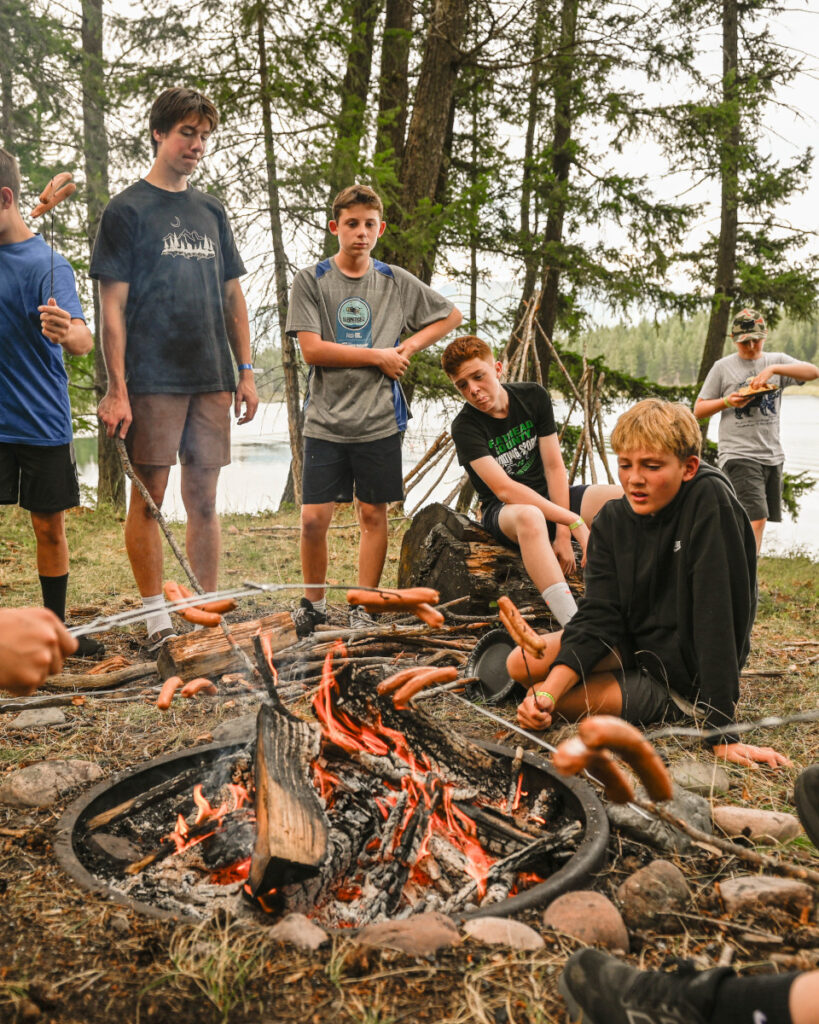
Wilderness campers experience Montana up close. While at Big Sky Bible Camp’s Wilderness Haven, campers stay in wall tents or cabins. When traveling in the backcountry, campers sleep in tents as part of the full wilderness experience. Big Sky provides all necessary technical group gear and food for the trip, and backpacks, sleeping bags, sleeping pads, and rain gear are available to rent. Campers bring their clothing and personal items, while leaders guide and oversee the experience.
Preparing for Camp
Know how to prepare, what to pack, and how to make drop-off and pickup simple. Our Coming to Camp Guide is the A-Z for everything you need to know about coming to BSBC Winter Camp
Frequently Asked Questions
Do you offer scholarships?
Scholarships are available!
We would love to partner with you to help make camp possible for your camper this summer.
Please fill out our camper scholarship application.
Please contact us at [email protected] or 406-837-4864 with any questions.
Do you have a “Lost & Found”?
BSBC has a Lost & Found table set up in the chapel with each week’s items. Parents are welcome to look through the items at the end of the week and collect anything that belongs to their family. At the end of each week, all remaining Lost & Found items are stored in an accessible spot for the remainder of the summer. If you are missing something after your camper’s session has ended, please contact the office and we will look for the missing item, and if it is found, it can be picked up at the camp office. Please note that we typically do not mail items back to families.
What do you do in cases of camper misbehavior or bullying?
We make every effort to give each camper a good experience at camp. Campers who refuse to follow camp rules and policies may not stay and detract from the other campers’ experience. Big Sky Bible Camp reserves the right to send such campers home. This will be done only after a camper has received two formal warnings by the camp administration, except for serious offenses like illegal drugs or aggressive behavior which could be a threat to others. On the second warning, parents will be called and notified of the problem. If the camper’s behavior does not change, parents will be called a second time and asked to pick up their child. No refund will be given for the campers sent home for disciplinary reasons.
What should I do if I have a camper who cannot have photos taken of them due to legal or safety concerns?
The parent waiver includes a clause that grants BSBC permission to use camp photographs and videos of your camper for camp promotion and publicity. If your camper cannot have photos taken or shared due to legal or safety concerns, please contact the camp office and we will work with the A/V staff to ensure your camper’s safety.
What is the dress code?
Swimsuits
Modest swimsuits are expected for boys and girls. For girls this includes a one-piece swimsuit or a two-piece tankini that covers the entire stomach. If you do not have a swimsuit that fits these guidelines, you may wear a dark-colored T-shirt and shorts. Boys’ swim trunks must be loose fitting and at least mid-thigh in length.
Shirts
Backless shirts, halter-tops, and tank tops that are low cut, tight, or expose the stomach are not to be worn. This includes boys’ open-sided tank tops. Straps on tank tops and dresses must be at least two fingers in width. All shirts must cover undergarments.
Shorts/Pants
Shorts should be loose fitting and mid-thigh length. If wearing leggings or biker shorts, dress code compliant shorts must be worn over them. Dresses and skirts must also be at least mid-thigh in length. Shorts/pants must cover undergarments at all times.
Inappropriate Content
Clothing should not display inappropriate content including: profanity, drugs, alcohol, tobacco, or satanic references.
Footwear
Footwear must be worn at all times at camp (with the exception of inside the cabins). Closed-toed shoes are required for participation in field games and ropes course activities.
Who can drop off or pick up my camper?
Campers may be dropped off by parents, friends, or relatives. BSBC will ask for the name of the person who is authorized to pick the camper up at the end of the week, and at pick-up, staff will check ID of that person to make sure that the camper leaves with the authorized adult. If you need to change the name of the pick-up person, please contact the office! Campers with valid driver’s licenses are allowed to drive to camp and sign themselves in and out.
Do I need to make my full payment at one time?
The $100 deposit that reserves your camper’s spot is required upon registration, but the remainder of your payment can be made any time before your camper’s session begins. Payment plans are available, and payment can be made online, over the phone, or by mailing a check. If you need to make the remainder of your payment at check-in when you arrive for your camper’s session, it can be made with cash, card, or check, but we highly recommend paying before the session begins in order to streamline the check-in process.
What is your cancellation policy?
If for some reason your camper cannot come to their week of camp, please notify us immediately, as we often have campers on the waitlist. Within the exception of the LIT program, the $100 deposit required to reserve your camper’s place is non-refundable, but the remainder of your payment will be credited to your account or refunded upon request.
What NOT to bring?
- Electronics (except for a camara)
- Tobacco products
- Any sort of smoking device (Vape, etc.)
- Firearms
- Alcohol/drugs
- Fireworks/explosives
What gear do campers need to bring?
A complete packing list will be provided once a camper is registered for a Wilderness Program trip. This list outlines everything your camper will need for their specific adventure.
Campers are welcome to bring their own gear, but several major items can be rented directly from Camp, including:
- backpacks
- sleeping bags
- sleeping pads
- rain gear
Camp also provides all group gear, so campers do not need to bring items such as:
- tents
- cooking stoves and fuel
- water treatment supplies
- bear spray
- first aid kits
- equipment repair kits
- food storage equipment
All meals are provided by Camp during the trip. Campers are welcome to bring their own snacks, as long as they follow any guidelines given by their leaders (especially regarding wildlife and proper food storage in the backcountry).
What Campers Typically Bring
While the full packing list will give detailed instructions, here are some of the personal items campers usually bring on Wilderness trips:
- appropriate clothing layers for hiking, weather changes, and camp
- sturdy hiking shoes or boots (more on this in the packing lists!)
- personal toiletries and hygiene items
- water bottles
- headlamp or flashlight
- Bible, notebook, and pen
- optional items like trekking poles, camping chair, bandana, fishing gear, small card game, sunglasses, pocket knife, bug spray, medications
Leaders will review each camper’s gear at check-in to make sure they have everything they need and help make any last-minute adjustments.
How do you manage risk?
Safety is our highest priority in the Wilderness Program. Our trips are designed with thoughtful planning, careful risk management, and well‑trained leaders who work hard to create a safe and supportive environment for every camper.
At the same time, spending time in the wilderness carries inherent risks—including changing weather, uneven terrain, and other natural challenges. While these elements are part of what makes outdoor adventure meaningful, we take them seriously and address them with professionalism and preparation.
All Wilderness staff members receive training in areas such as:
- wilderness safety and risk assessment
- emergency response and first aid
- group management and decision‑making in backcountry environments
- communication protocols for urgent situations
Each trip is equipped with appropriate safety gear and communication devices, and leaders are prepared to mitigate hazards, make informed decisions, and respond effectively in the event of an emergency.
Our goal is to provide campers with a positive, memorable, and responsibly managed wilderness experience.
How physically demanding is the Wilderness Program?
The Wilderness Program is intentionally designed to be both physically and spiritually engaging, with extended time spent outdoors. Campers should be prepared for hiking with a backpack, full days of movement and exploration, facing new challenges, and being away from many of the usual comforts and conveniences of home. With thoughtful planning, good preparation, and a bit of backcountry creativity, time in the wilderness can be not only manageable, but comfortable, deeply rewarding, and character‑building.
That said, backcountry travel and camping in remote settings do take effort and determination. Groups move at a reasonable pace, and most trips are designed to accommodate a wide range of ability levels—from beginners to experienced campers.
Where do I drop off and pick up my camper?
Arrival:
All Wilderness Program trips begin at the Wilderness Haven parking area. When you arrive, you’ll meet our Wilderness staff and begin the check‑in process. During check‑in, staff will:
- confirm the camper has all required gear (or finalize any rental equipment)
- verify payment and registration details
- introduce campers and parents to the trip leaders
Parents/guardians will have time to connect with the leaders, ask last‑minute questions, and take care of any final details before saying goodbye.
Departure:
Campers will also be picked up at Wilderness Haven on the final day of their trip. Each trip ends with a short closing session that families are welcome to attend. Closing session times vary by trip, so please check your camper’s specific itinerary to ensure you arrive at the correct time.
Can campers bring phones or electronics?
No. The Wilderness Program is designed to help campers unplug and focus on community, nature, and their walk with God.
How do I communicate with my camper?
Because trips take place away from cell service, direct communication with campers during the week isn’t available. In case of emergency, families can contact the Camp office, and leadership will relay information to the wilderness staff.
Where do campers sleep?
Depending on the trip, campers may sleep in tents, shelters, or under the stars (weather permitting), but most of the time they are in tents.
What if the weather is bad?
Trips continue in most weather conditions, but safety always comes first. Leaders monitor forecasts and adjust the itinerary as needed. In severe conditions, groups may shelter in place or relocate.
What if my camper has never camped or backpacked before?
That’s totally okay! Many campers come in as beginners. Our staff teach all the basics and help campers build confidence and skills step by step. Every trip (except for Advanced Backpacking and Trail Camp) is designed with beginners in mind. For more details about individual trips, check out the trip descriptions HERE.